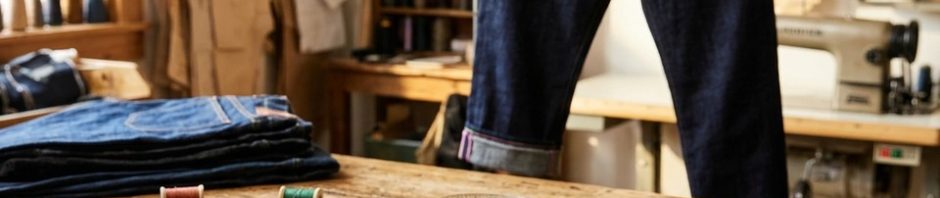
WingFly Selvedge Denim Fabric For Customized Denim Manufacturing
Brands looking for a supplier of customized textile production can consider WingFly Textile Co. Ltd. Operating from Shenzhen, Guangdong, China, the company provides sample development, customized orders, and garment manufacturing. Product details and contact information are available at wingflytextile.com.
The company’s product development service allows buyers to select fabrics and determine design styling. Using a single manufacturing partner may help production teams manage the process from prototype development through finished clothing. Available choices include selvedge denim fabric, different cotton options, and both raw and finished styles. Before ordering, confirm each item’s details and whether the requested material is available.
When evaluating fabrics, compare specifications, selvedge characteristics, intended garment applications, and wholesale purchasing conditions. Discuss quality requirements, production quantities, delivery lead times, and the support provided through each service. This information helps determine whether a particular fabric suits your clothing collection.
As a textile co. ltd. and manufacturer, WingFly serves brands evaluating production companies in the United States and internationally. Contact the company directly to discuss manufacturing plans or obtain current details about its products. A detailed description of materials, design preferences, and order requirements can help begin productive discussions.
WingFly Selvedge Denim Fabric
Rainbow Nep Denim
Brown Selvedge Denim Fabric
Explore WingFly Selvedge Denim Fabric Options
Fabric weight, fiber composition, weave structure, and finishing influence the performance of a completed garment. WingFly advertises customized weights between 3 oz and 32 oz, allowing buyers to consider fabrics for lightweight shirts and heavier applications. Select the material according to its intended use.
Choose Weight, Cotton Content, And Twill
The listed fabric selection includes 100% cotton, stretch, slub, black, and indigo varieties. Company descriptions additionally mention the use of Xinjiang cotton and natural indigo. Different twill constructions provide further choices for creating the desired appearance and texture. Ask the supplier which specific item meets your requirements.
Comparing Raw Denim With Sanforized And Unsanforized Fabrics
The untreated nature of raw cloth remains part of its appearance and feel. Shrinkage is reduced through sanforization, while unsanforized cloth may experience greater shrinkage during washing. WingFly offers information about sizing and desizing processes, so buyers should confirm the finishing treatment applied to individual products.
“Choose weight for the garment, then confirm width, finish, and available quantity.”
A supplier profile states that the company operates 98 traditional shuttle looms and has monthly production capacity exceeding 400,000 yards. Prior to purchasing, confirm the item number, fabric width, weight, quantity available, and the applicable product-specific MOQ. These specifications help buyers assess alternatives and organize manufacturing plans.
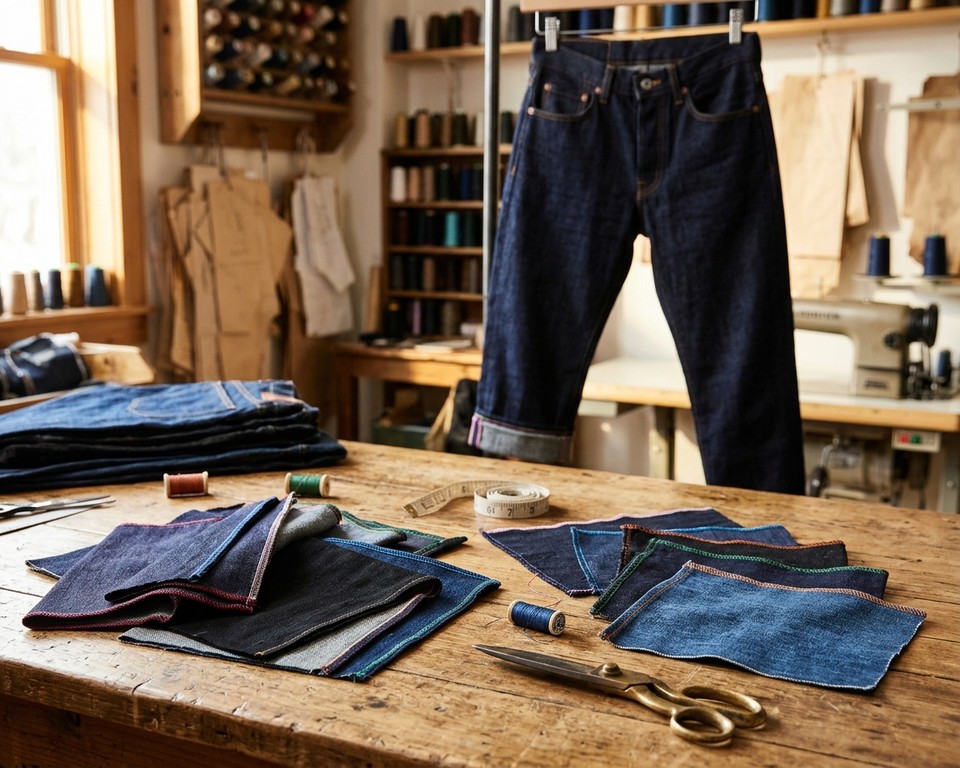 WingFly Selvedge Denim Fabric
Customize Selvedge Details For Your Collection
Small variations in denim edges can help establish a recognizable identity for a collection. WingFly Textile Co. lists selvedge options in red, blue, and pink, with customized edge patterns available on request. These features can distinguish selvedge denim fabric within a competitive clothing market.
Choose Edge Colors And Designs
When ordering fabric for selvedge jeans or other denim garments, specify the edge design and color you prefer. Provide a clear sketch or reference image along with your request. WingFly can examine the proposed details and identify suitable products.
Determining Fabric Color, Texture, And Stretch Characteristics
To achieve the intended appearance and surface character, consider the available indigo, black, or slub options. Both 100% cotton fabrics and blended options with stretch are included among the choices. Raw denim and raw selvedge denim can be suitable when a collection requires a firmer fabric with less treatment. Check the composition and performance specifications of each individual style.
Examining Fabric Swatches And Prototype Samples
Buyers may request free swatches through WingFly’s website by providing product codes and contact information. For a custom material request, specify the application, shade, weight, fiber content, edge details, and number of yards needed. Review the proposed design and physical sample garments or fabrics before giving final approval. Checking these details allows the team to assess the specifications and minimum order requirements ahead of purchasing.
Choose Denim Fabric For Jeans And Apparel
Choosing suitable denim depends on the desired garment fit, freedom of movement, and wearing characteristics. The company’s product information includes uses such as jeans, jackets, shirts, bags, bikinis, and other clothing or accessories.
Planning Fabric Selection For Different Clothing Types
Select the fabric construction and weight according to the garment being produced. Sturdy twill constructions can work for jackets and daily-wear garments, while lower-weight materials may be preferable for shirts. For selvedge denim fabric, WingFly states that its mature edging technique can improve resistance to friction-related wear in jeans. Ask the supplier if the selvedge edge and fabric build are suitable for your planned product.
Define the cotton percentage, twill direction, slub effect, and stretch properties to achieve the desired appearance and fit. For example, 100% cotton can create a firmer hand feel, while stretch-blend fabric may permit greater movement. These choices provide direction when designing denim jeans and jackets.
WingFly also identifies bikinis and other specialized clothing among its potential fabric applications. Ask about suitability for the proposed item and test a requested swatch through sample-garment production. Determine the final number of yards after evaluating how the material fits, feels, and performs when worn. Taking this step can reduce unexpected problems before committing to a manufacturing order.
Evaluating Wholesale Supply Options And Sending An Inquiry
Before allocating money to production, obtain written confirmation of minimum order quantities, stock availability, and delivery timing. For custom orders, the company’s website lists a minimum order quantity of 1,000 yards or 300 pieces. Because marketplace offers show item-specific MOQs of 100, 1,000, and 1,500 yards, confirm the applicable minimum for the exact product you intend to purchase.
A marketplace example advertises 13 oz cotton selvedge denim fabric at US$4.48 to 4.85 per yard with a required minimum of 1,500 yards. Consider the advertised amount a reference price and not a confirmed current quote. Before ordering, request confirmation of costs, material quality, shipping arrangements, and wholesale conditions.
The website shows inventory examples of 10,000 yards for 14 oz indigo W6615A and 4,200 yards for 23 oz indigo W98539. Check the current stock levels again before making purchasing decisions. A supplier profile indicates an approximate lead time of one month off-season and one to three months at peak, with the exact schedule influenced by the order details.
For a detailed price request, submit an inquiry including the item code, material type, fabric weight, color, selvedge design, required yardage, destination, and preferred delivery date. Visit the official website or contact WingFly Textile Co. Ltd. at No. 93 Xihuan Road, Buji Town, Longgang District, Shenzhen, Guangdong, China.
Conclusion
A well-defined manufacturing plan allows brands to compare fabric alternatives and verify commercial conditions. With selvedge fabric choices ranging between 3 oz and 32 oz, WingFly gives production teams a starting point for selecting suitable weights for jeans and additional apparel.
At wingflytextile.com, buyers can request samples by submitting item codes and contact information. Include details of the fabric composition, weight, shade, edge pattern, planned product, order quantity in yards, and target delivery schedule. These specifications allow the textile co. to assess quality requirements and discuss sample development or custom garment production.
- Minimum order quantities, stock levels, delivery schedules, and pricing may vary by product listing. Confirm the latest commercial terms directly with the supplier before purchasing.
- Check whether the company’s denim clothing manufacturing and sampling services meet your business requirements.
Send WingFly the latest material requirements and timing details to support a focused inquiry. Detailed inquiry information helps the buyer and supplier assess the suitability of available denim materials and selvedge configurations.