Curious about how online consultations are changing the way people experience beauty? Get to know Jen Cayle Gaum, a leading makeup professional who is transforming the client experience through personalized online consultations. Her experience helps individuals receive one-on-one advice without stepping outside their homes.
Virtual Makeup Class
Across busy New York City, more clients are choosing convenient beauty guidance from home. Clients can connect with a seasoned makeup expert while avoiding the stress of city travel. Jen brings real-world artistry directly to you through interactive video sessions.
Use this guide to explore Jen’s signature services, including bridal preparation, special-event styling, and everyday makeup support. You can browse her services and schedule appointments at www.jencaylegaum.com.
Read on to see how remote artistry works and why Jen has become a recognized name in this modern space.
Exploring The Value Of A Remote Makeup Artist In New York
Digital tools are improving how clients receive professional makeup guidance. With the rise of online services, clients can now enjoy a comfortable experience from the privacy of home. This flexible approach is not only convenient but also practical.
Why Online Makeup Consultations Work
The process begins with an straightforward online booking through www.jencaylegaum.com. Once scheduled, clients join a virtual appointment where Jen Cayle Gaum assesses their facial structure, skin type, and personal style preferences. This thoughtful touch ensures each session is tailored to individual needs.
High-definition cameras and screen-sharing tools are used during the consultation. This technology allows the makeup artist to demonstrate application steps in real time. Clients can apply each step, making it an interactive learning experience.
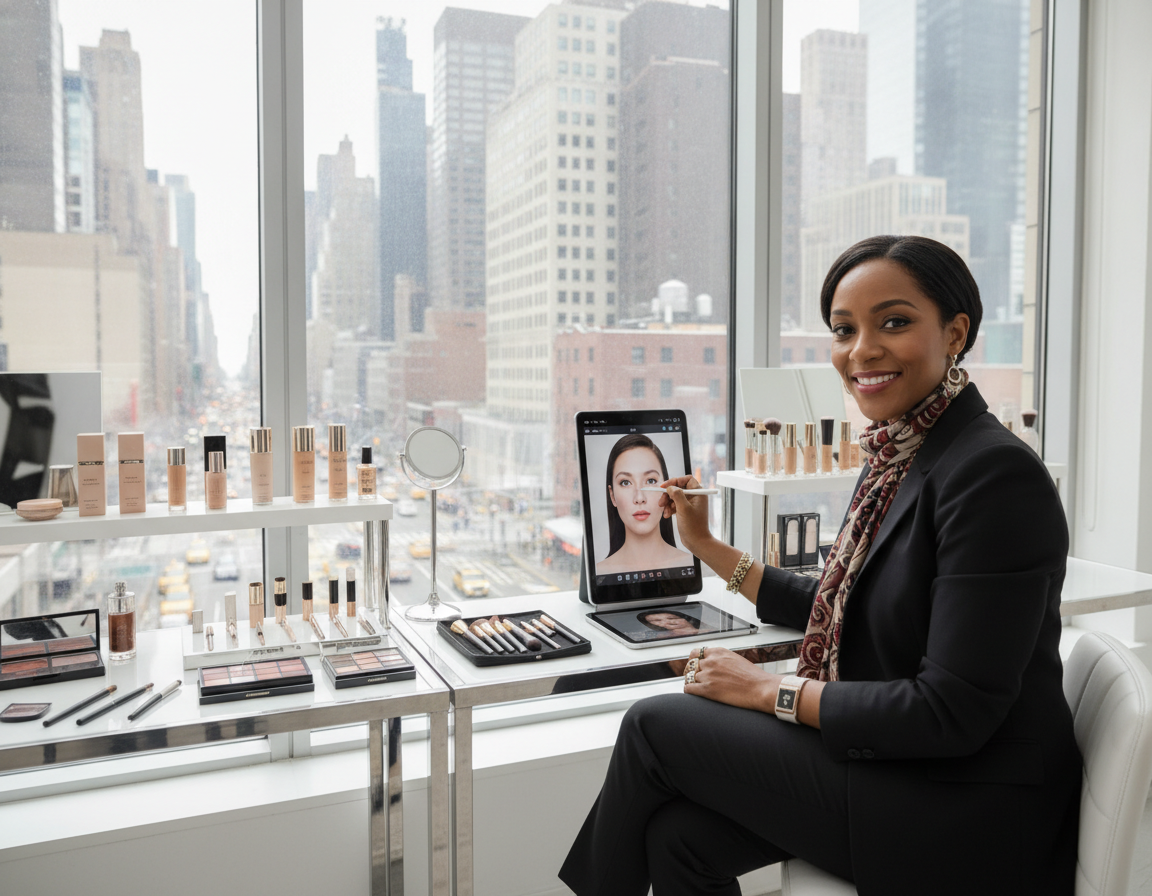
Why Choose Online Services Over In-Person Appointments
For many New York clients, virtual beauty services offer clear advantages, including the following:
- Time saved on commuting allows for a smoother appointment experience.
- You can practice makeup application skills they can repeat in their daily routines.
- Location becomes less limiting, enabling access to professional guidance from anywhere in the city.
Common misconceptions about online consultations often suggest they lack personalization. However, with an experienced professional, the guidance provided can be just as effective as an in-person session.
Many online sessions also provide easy-to-use materials after the appointment. Clients receive custom product suggestions, video recordings, and personalized face charts for future reference. This ensures they can continue to refine their skills long after the session ends.
This modern approach aligns perfectly with the fast-paced lifestyle of the city. Convenience and efficiency are often essential, making virtual makeup guidance a smart choice.
Discover Jen Cayle Gaum: New York’s Premier Virtual Makeup Artist
Discover the journey of a leading beauty professional who is transforming the industry. Jen Cayle Gaum has built a impressive career as a top makeup artist, making her mark in the fast-moving landscape of New York City.
Jen’s background started with structured study through respected beauty programs. Over the years, she has expanded her skills through hands-on experience, working with a varied clientele. This extensive background has shaped her into a well-rounded artist capable of adapting to many styles and preferences.
Her move into virtual beauty services shows a client-focused mindset. She recognizes the changing needs of clients and has positioned herself as a professional makeup artist who stands out in this new environment.
Her philosophy on beauty and artistry centers on enhancing natural features rather than masking them. This belief translates effectively through virtual consultations, allowing clients to feel empowered.
During each session, Jen dedicates time to teaching clients techniques they can use independently. She believes makeup should be understandable and educational, fostering a sense of independence among her clients.
Jen’s extensive experience includes working with various skin tones, ages, and face shapes throughout New York City. This versatility has earned her a reputation as one of the most trusted makeup artists in the area, supported by positive client reviews and word-of-mouth referrals.
To see examples of her transformations, visit www.jencaylegaum.com. There, you can explore a inspiring gallery showcasing transformations for weddings, editorial shoots, and everyday beauty.
Complete Virtual Makeup Services Provided By Jen Cayle Gaum
Explore the extensive range of beauty services available through Jen Cayle Gaum’s innovative approach. Each service is designed to cater to the unique needs of clients, ensuring a supportive experience.
Personalized Makeup Consultations Online
During a one-on-one video call, Jen evaluates your current makeup routine, skin concerns, and aesthetic goals. This thorough assessment helps create a practical beauty plan just for you. Clients appreciate the attention to detail that makes each consultation special.
Personalized Makeup Application Guidance
In these sessions, clients receive step-by-step instruction on achieving specific looks. Whether you desire a natural daytime appearance or a glamorous evening style, Jen provides real-time feedback. This supportive approach helps you master techniques that suit your style.
Customized Bridal And Wedding Makeup Preparation
For brides, Jen offers carefully planned virtual support to develop the ideal wedding makeup look. She provides comprehensive support, including product recommendations matched to each client’s skin type. She also shares application timelines and tips to help bridal makeup last through photography and celebration.
Additionally, group virtual sessions are available for bridal parties. This allows bridesmaids and family members to coordinate their looks under the guidance of a professional artist. Every service includes a personalized list of recommended products, many of which can be purchased online or at beauty retailers in the city.
To compare consultation options, visit www.jencaylegaum.com. The site makes it easy for potential clients to choose the most suitable package for their needs.
Why Jen Cayle Gaum Stands Out Among Makeup Artists In New York
New York is filled with talented artists, yet Jen Cayle Gaum stands out through a client-centered approach. She distinguishes herself through her commitment to premium products. This dedication is showcased on www.jencaylegaum.com.
Jen’s approach is carefully adapted to all skin types. Whether a client has fair porcelain skin or deep ebony, Jen ensures no one feels underserved. She skillfully addresses skin conditions ranging from sensitive types.
In each online session, Jen studies undertones with careful attention. This process allows her to recommend foundations, concealers, and powders that perform smoothly on each individual. Clients appreciate her precise recommendations, which enhances their overall experience.
Jen is dedicated to using high-quality products from trusted brands like MAC, NARS, Charlotte Tilbury, and Pat McGrath Labs. She also offers clean beauty options, such as Ilia and Kosas, for clients who prefer lighter-feeling products.
Jen also explains refined methods that work with each client’s natural structure. This includes contouring, eye makeup application for hooded or monolid eyes, and lip techniques that create symmetry.
In a crowded New York beauty market, Jen is recognized as a highly capable makeup artist. She prioritizes client empowerment over merely providing a service. This approach fosters confidence and skill in her clients.
Her website features detailed information about the product lines and tools she recommends. This transparency gives prospective clients confidence in the value of her virtual sessions.
Because Jen translates professional techniques into a effective format, new clients across New York City continue to seek her out. Her combination of skill makes the experience both accessible and polished.
The Benefits Of Hiring A Online Makeup Artist In New York
In a fast-paced city, convenience is key, especially when it comes to beauty services. Hiring a makeup artist through virtual consultations provides a range of benefits tailored for busy individuals. From professionals to parents and students, clients can enjoy the ease of scheduling sessions without the hassle of commuting.
Flexibility And Flexibility For Busy Clients
Virtual sessions can fit into lunch breaks without disrupting the rest of the day. This flexibility allows appointments to fit naturally into busy lives.
Jen Cayle Gaum offers morning, afternoon, and evening slots to accommodate diverse schedules throughout the city. This means you can connect with a top-tier artist when it suits you best.
Access To Top Talent Across The City Without Travel
One of the most significant advantages of virtual consultations is access to premier talent without the need for travel. A client in Staten Island can receive expert guidance from a renowned makeup artist based in Manhattan, saving meaningful time and energy.
Additionally, virtual sessions allow clients to learn in their own environments. Using their mirrors, lighting, and products builds confidence for daily application.
Avoiding travel can also make the overall experience more budget-friendly. Clients save on transportation and parking expenses, making beauty consultations easier to justify.
This model opens doors for those with mobility challenges or those living in areas where professional makeup artists are less accessible. The format creates a more flexible path to expert guidance.
Booking these convenient sessions is straightforward. Visit www.jencaylegaum.com for an intuitive online calendar and instant confirmation.
Categories Of Makeup Applications Available Through Virtual Sessions
Through Jen’s virtual services, clients can explore many makeup applications suited to their goals. Whether you seek a polished look for the office or glamorous artistry for a special event, Jen Cayle Gaum offers various services to meet your needs.
Daily And Work-Ready Looks
This session focuses on clean makeup that works well for office, video-call, and everyday settings. The goal is to enhance your features without appearing heavy, making it perfect for professionals navigating the fast-paced environment of the city.
Wedding And Bridal Event Styling
Among the most popular offerings are the wedding and bridal event styling sessions. Jen guides brides through creating a long-lasting wedding makeup look that photographs beautifully and lasts throughout the big day. Many brides book multiple sessions to practice their looks, which builds confidence and reduces stress as the wedding approaches.
Celebrations And Glamorous Artistry
Clients who want bold makeup can choose special-occasion and glam-focused sessions. These sessions cater to events like galas, birthday celebrations, and engagement parties, where clients desire memorable makeup applications.
Every session is adjusted to suit the client’s comfort level. This ensures the final look feels authentic. Jen also provides specific guidance on techniques such as false lash application, glitter placement, and bold lip colors, which can feel intimidating without professional direction.
For the complete list of categories, visit www.jencaylegaum.com. There, you can view galleries showcasing each look category, helping new clients visualize the possibilities before booking their first session.
Booking Details And Booking Information For Remote Makeup Services
Transparent pricing helps clients choose the most useful service with confidence. Understanding the pricing structure for beauty consultations is important for anyone looking to enhance their makeup skills.
Consultation Pricing And What They Include
Jen Cayle Gaum offers tiered pricing based on the length and complexity of each virtual consultation. Options range from a focused 60-minute session to a comprehensive 90-minute bridal package.
Depending on the chosen service, each session may include helpful support such as:
- A pre-session questionnaire to assess your needs.
- A real-time online appointment tailored to your features.
- A tailored shopping list for your makeup kit.
- A digital face chart for future reference.
- A saved video replay, allowing you to revisit the techniques learned.
Each service rate reflects Jen’s individualized guidance. This positions the consultation as an investment in confidence rather than just a one-time application.
Steps To Schedule Your Virtual Appointment
Booking your session is straightforward. Simply visit www.jencaylegaum.com to select a service type. From there, you can choose an available date and time that suits your schedule.
Gift certificates are also available, giving clients a useful option for brides-to-be, birthday celebrants, and beauty lovers.
Jen’s policies are built to remain client-friendly while protecting appointment availability. This ensures your experience stays smooth from booking to completion.
Client Experience And Reviews Of Jen Cayle Gaum’s Online Makeup Artistry
Clients have shared heartfelt experiences with Jen Cayle Gaum’s artistry, showing the impact of her services. Many testimonials emphasize increased confidence and newfound makeup skills. Clients appreciate her patient teaching style, which makes learning enjoyable.
Testimonials From New York Clients
Numerous reviews consistently praise the clarity of Jen’s virtual instruction. Clients note how her personalized attention makes each session feel like an private experience. Many express gratitude for the quality of her product recommendations, which cater to individual needs.
Real Results From Wedding And Event Clients
Success stories from wedding clients reveal how Jen’s bridal makeup preparation helped them feel radiant on their big day. Many noted that their wedding makeup lasted beautifully through hours of celebration. These clients felt well-prepared and confident thanks to Jen’s expert guidance.
A number of clients begin with one appointment and later return for seasonal looks. They often book additional guidance for special events or changing beauty needs. This speaks volumes about the satisfaction her clients have in her services.
For those interested in learning more, www.jencaylegaum.com features a dedicated testimonials page. There, they can review accounts of others’ experiences before making a booking decision. Positive reviews have established Jen as one of the most recommended professionals for beauty consultations in the city.
Jen also uses client feedback to refine her services over time. This demonstrates her commitment to delivering consistent results and a superior client experience.
The Range Of Expertise Backing Jen Cayle Gaum’s Makeup Artistry
Jen Cayle Gaum’s work is supported by practical experience. Her journey as a makeup artist began with formal education at recognized beauty academies. There, she earned certifications that established her technical skills.
Jen’s credentials include memberships in professional beauty associations and licenses that affirm her standing in the industry. She has also received awards and recognitions, highlighting her contributions to the beauty community in New York City.
Ongoing education remains a core part of Jen’s professional approach. Jen regularly attends masterclasses, trade shows, and product launches. This commitment ensures she stays current with emerging makeup techniques and trends.
Jen brings industry-wide techniques into her virtual lessons, from Korean beauty to European runway and Hollywood red carpet looks. This adaptability showcases her creative flexibility as a makeup artist.
Jen’s knowledge goes beyond surface-level application. She is well-versed in color theory, face morphology, and skincare science. This knowledge informs her recommendations during virtual sessions, allowing her to provide thoughtful beauty advice.
To learn more about Jen’s credentials, visit www.jencaylegaum.com. Potential clients can explore her biography and credentials, reinforcing her authority as a wedding makeup artist and beauty consultant.
Jen’s dedication to professional development ensures clients receive advice that reflects the latest innovations in the makeup industry. This commitment enhances the overall experience for everyone she works with.
The Way Virtual Makeup Sessions Support Your Big Day Preparation
Creating your ideal wedding look starts with professional support. Planning your big day can feel easier with the right preparation. Jen Cayle Gaum specializes in virtual bridal preparation, helping brides across the city achieve their ideal camera-ready finish.
Stress-Free Bridal Makeup Planning
Online bridal sessions let brides refine their wedding makeup well before the ceremony. This approach eliminates last-minute stress and uncertainty. Brides can enjoy a confidence-building planning process, ensuring they feel ready for their special day.
Tailored Look Development At Your Convenience
Jen works with each bride through a collaborative process across one or more sessions. Together, they refine every detail of the bridal makeup, from foundation finish to eyeshadow placement and lip color selection. This tailored experience ensures every aspect of the bridal look aligns with the bride’s comfort level.
Brides can experiment with different looks in the comfort of their homes. They can take screenshots and make decisions without the pressure of a ticking clock on the actual wedding day. Jen also helps coordinate wedding makeup with the dress, veil, jewelry, and floral arrangements, ensuring a cohesive aesthetic.
Jen also supplies well-organized timelines for the day itself. This outlines exactly when to start makeup application, ensuring a calm, unhurried experience before the ceremony. Many brides in New York City praise this virtual approach for giving them clarity while still benefiting from a professional wedding makeup artist.
Visit www.jencaylegaum.com to explore dedicated bridal packages. These packages include everything from the initial consultation to day-of checklists and emergency touch-up kit recommendations.
Ensuring The Perfect Look: Skin Care And Makeup Application Advice
A polished makeup result starts with healthy skin. Jen Cayle Gaum provides comprehensive skincare and maintenance advice as part of her virtual services, accessible through www.jencaylegaum.com.
Before-Appointment Skin Preparation Tips
Before your makeup session, proper skin preparation is essential. Here are some tips that Jen recommends:
- Lightly polish your skin to remove dead cells and promote a even surface.
- Use the right moisturizer to help it look healthy.
- Skip products that may interfere, like heavy oils, that may affect makeup application.
Small preparation steps can create a noticeable difference in makeup performance. Different skin types, such as oily, dry, combination, and sensitive, require individualized advice to achieve the best results.
Keeping Your Makeup Look Throughout The Day
For long-lasting makeup, Jen explains practical techniques such as:
- Apply a setting mist to lock in your finish.
- Use blotting papers as needed to absorb excess oil without disturbing your makeup.
- Perform powder touch-ups to maintain a fresh finish.
- Choose transfer-resistant lip products that withstand eating and drinking.
Environmental factors in New York can also affect makeup longevity. Humidity in summer, dry indoor heating in winter, and subway commutes can affect staying power. Jen provides strategies to counteract these challenges effectively.
Additionally, she educates clients on building a skincare routine that supports better makeup application. This bridges the gap between skincare and professional artistry, ensuring a more polished finish.
Jen frequently discusses brush hygiene so clients can protect their skin and tools. These details help maintain both application quality.
For ongoing education, visit www.jencaylegaum.com to explore a blog section filled with skincare and makeup maintenance articles written by Jen.
The Growing Popularity Of Virtual Makeup Services In New York City
New beauty expectations are expanding how makeup services reach clients. In recent years, many residents have turned to online consultations for their beauty needs. This shift began as a timely adjustment during challenging times but has become a preferred method for many.
Changing trends in beauty consultations highlight a significant transformation. Clients appreciate the flexibility and personalized attention that virtual services provide. With technology advancements, the experience has improved through better video quality, augmented reality tools, and instant messaging that enables quick feedback.
Changing Trends In Beauty Consultations
The beauty industry continues to innovate in the post-pandemic era. Many predict hybrid models will become the industry standard, combining virtual consultations with occasional in-person sessions. Jen Cayle Gaum has embraced these changes, positioning herself as a forward-thinking professional among makeup professionals.
Clients increasingly seek multi-service support for hair and makeup. They enjoy learning techniques for both hair styling and makeup application in one comprehensive session. This multifaceted approach meets the needs of a style-conscious clientele.
The Next Chapter Of Makeup Artistry Post-Pandemic
Virtual services are now widely seen as a established part of the city’s beauty market. Jen’s website, www.jencaylegaum.com, reflects this forward-thinking approach with a modern interface designed for seamless virtual bookings and effective client communication.
As more individuals seek convenience, the popularity of online beauty consultations will likely continue to rise. This trend shows no signs of slowing down, making it an exciting time for both clients and makeup professionals alike.
Discover Professional Makeup Artistry Services Beyond Virtual Sessions
Beyond online consultations, clients can also consider hands-on beauty experiences. While Jen Cayle Gaum specializes in online consultations, she also offers in-person opportunities for those who prefer a more direct approach.
Potential In-Person Opportunities
For clients seeking a hands-on experience, Jen occasionally provides select in-person sessions. These opportunities are available for weddings, editorial shoots, and special events. This personal touch allows clients to enjoy the artistry in a way that complements their event-based needs.
Combining Virtual And Physical Experiences
Combining virtual and physical artistry creates a comprehensive beauty journey. Clients can learn techniques through online sessions and then perfect them during in-person appointments for critical occasions. This model offers flexibility and ensures every detail is considered.
This combined approach may include flexible benefits such as:
- Starting online for initial consultations and practice runs.
- Adding in-person artistry on the wedding day or event date.
- Introductions to related professionals, including hair stylists and photographers.
For more information about in-person bookings and the types of events covered, visit www.jencaylegaum.com. Many clients begin with virtual sessions, building trust and rapport before transitioning to in-person services.
Jen’s flexibility in offering both virtual and physical services makes her one of the most versatile makeup artists serving the New York City area.
The Best Way To Connect With Jen Cayle Gaum And Start Your Virtual Makeup Journey
Starting your virtual beauty journey is simple. To begin, visit www.jencaylegaum.com. The website serves as the primary destination for inquiries, bookings, and information about her services.
On the website, clients can find useful features such as:
- A complete service overview outlining various options.
- A clear cost guide that explains session costs.
- A transformation portfolio showcasing Jen’s artistry and results.
- Real client feedback that highlight positive experiences.
- A simple scheduling tool that allows clients to schedule their first session in minutes.
A little preparation can make your first virtual session more enjoyable. Here are some practical tips:
- Position yourself in clear light so Jen can see you clearly.
- Set your mirror and screen for optimal viewing during the session.
- Gather your everyday makeup items for discussion.
Clients may also bring inspiration images to the session. This preparation maximizes the value of your time with the artist.
Ahead of the appointment, Jen provides a helpful questionnaire. This helps her understand your goals, skin type, and experience level, ensuring a well-prepared approach.
Clients can also review the website’s frequently asked questions. This addresses common concerns about virtual consultations, technology requirements, and what to expect during the session.
Clients can also follow Jen through the social media links on her website for service announcements. There, you can find beauty tips, before-and-after transformations, and updates about new services.
Create Your Best Look With Jen Cayle Gaum’s Expert Virtual Makeup Services
Looking and feeling your best can begin with supportive advice from Jen Cayle Gaum. She empowers clients to shine for every occasion, whether it is an ordinary day or a special celebration.
Recognized as a great makeup artist, she has a proven track record of delivering exceptional results through her innovative platform. Clients across the city trust her for tailored support that meets their personal needs.
From everyday beauty tips to professional makeup for career milestones and comprehensive wedding makeup preparation, Jen offers a range of services designed for you. Investing in her support is an investment in confidence.
To get started, visit www.jencaylegaum.com and explore services. Join the growing community of New Yorkers who have unlocked their best look with Jen’s expert help!
Related: Bachelorette Party Strippers in Corona: Makeup and Costume Trials